
Gallatin County Court Records After Arrest
Gallatin County criminal cases are handled in the Illinois Second Judicial Circuit through the Gallatin County Circuit Clerk, even when the person is held at Saline County Detention Center. That split matters. A jail booking can show the arresting agency's first charge label, but the Gallatin County court records after a jail arrest show what the State's Attorney files, what the judge orders, and how each count ends. The local court contacts in the research point to Circuit Clerk Brittney Capeheart at the Gallatin County Courthouse, Resident Circuit Judge Thomas J. Foster, and State's Attorney Douglas Dyhrkopp.
For custody details, the starting point is different. Gallatin County has no county jail and Saline County Detention Center houses Gallatin detainees by contract. Current housing, transfer, property, and booking status are jail-side issues, while charges, hearings, warrants, and disposition are court-side issues. Readers who need the custody route can use Gallatin County jail inmate records; booking photos and photo-request limits are handled on the Gallatin County jail mugshots page.
The Gallatin County Circuit Clerk page is the local office source for judge, clerk, deputies, phone, fax, and public hours.
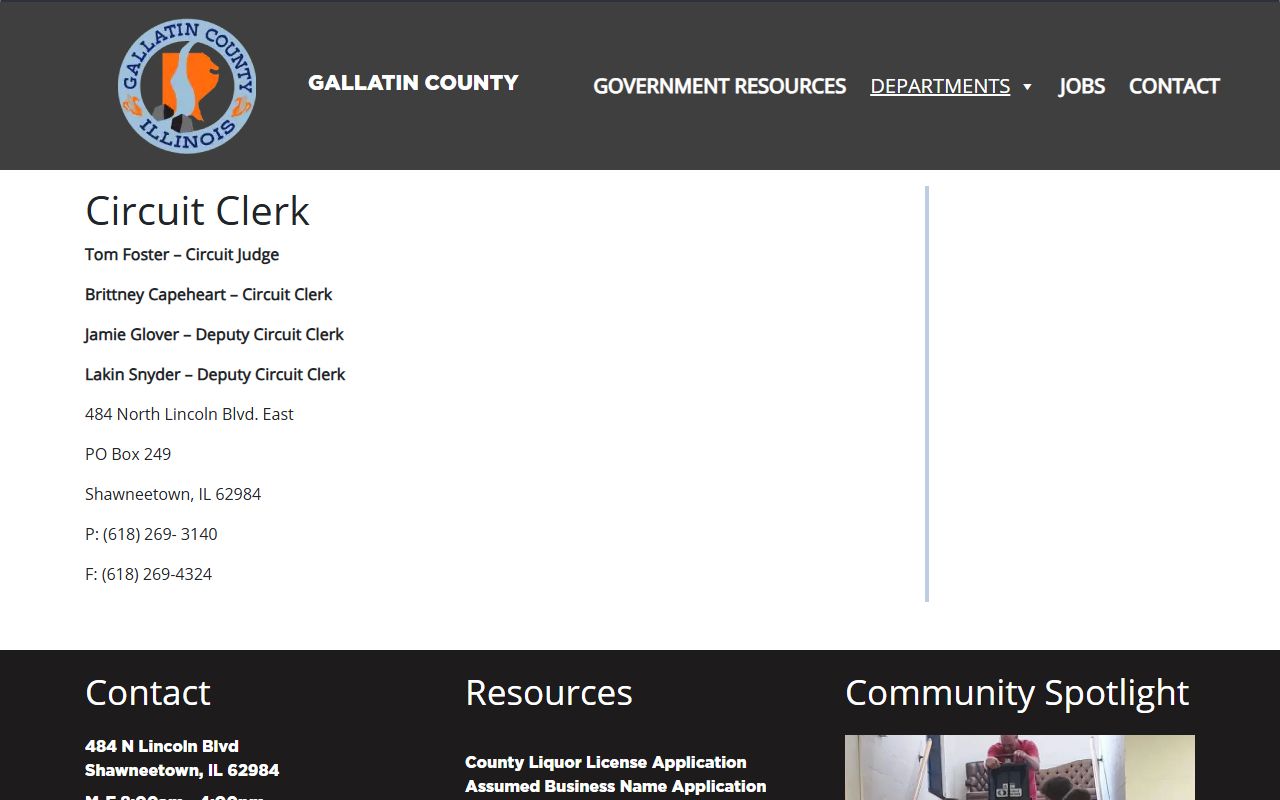
That office source is important because older files, restricted records, and questions about copies may require clerk contact even when a case search portal is available.
Find Gallatin County Court Records
The public search path begins with the court system, not the jail. The research identified Judici for Gallatin County as the county case portal and re:SearchIL as the statewide electronic court-record repository. Judici is the practical first stop for a public case or docket check. re:SearchIL may require registration or login for meaningful document access. If the case is too new, too old, sealed, or not visible online, the Circuit Clerk is the direct records office.
- Open the Gallatin County Judici court page and choose the case or docket path that fits the search.
- Search by defendant name or case number when the portal presents those fields or controls.
- Open the case entry and compare the filed charges with any booking or arrest wording.
- Check hearing dates, warrants, release terms, disposition, and amended charges before relying on a single entry.
The Judici Gallatin County page shows the core public controls used to reach cases and dockets.
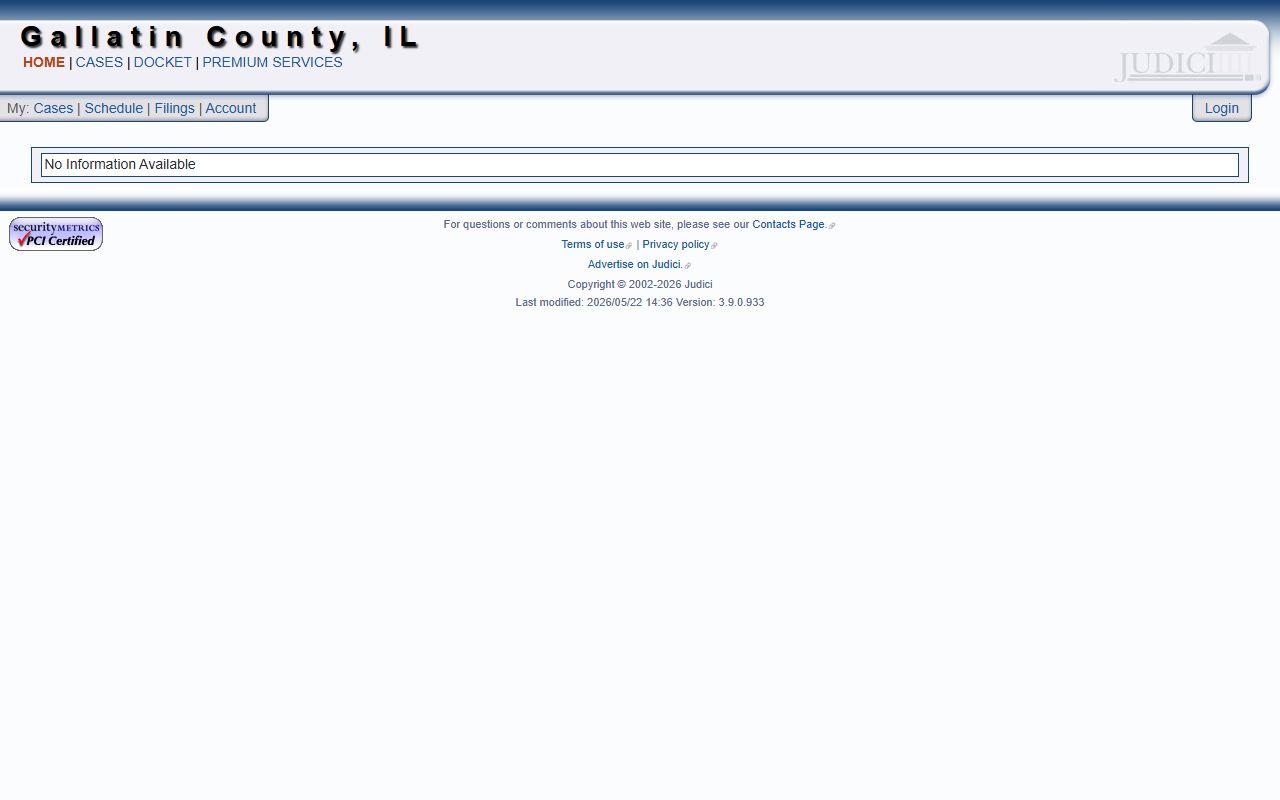
Judici can point to the live court path, but it does not replace the jail for custody confirmation or the clerk for records that are not available through the public interface.
| Field or Control | Type | Required | Notes |
|---|---|---|---|
| Cases | Navigation link | No | Main public case-search route for Gallatin County court records after arrest. |
| Docket | Navigation link | No | Calendar and docket route for court dates and events. |
| Premium Services | Navigation link | No | Paid or subscription tools may require an account. |
| Login | Account link | For account tools | Needed for My Cases, Schedule, Filings, and Account tools. |
| My Cases / Schedule / Filings / Account | Account links | Login required | Account-specific controls, not the same as a public jail roster. |
Gallatin Court Clerk App
The research also found the Gallatin Co. Circuit Clerk IL mobile app on Apple App Store and Google Play. It should be treated as a court-communication app, not as a jail roster, mugshot gallery, or warrant lookup. No inmate search, public warrant search, or booking-photo feature was confirmed in the store snippets. For Gallatin County court records after arrest, the app may help residents follow Circuit Clerk communications, but case lookup still runs through Judici, re:SearchIL, and the clerk's office.
The Google Play listing for Gallatin Co. Circuit Clerk IL identifies the app as a court communication tool.
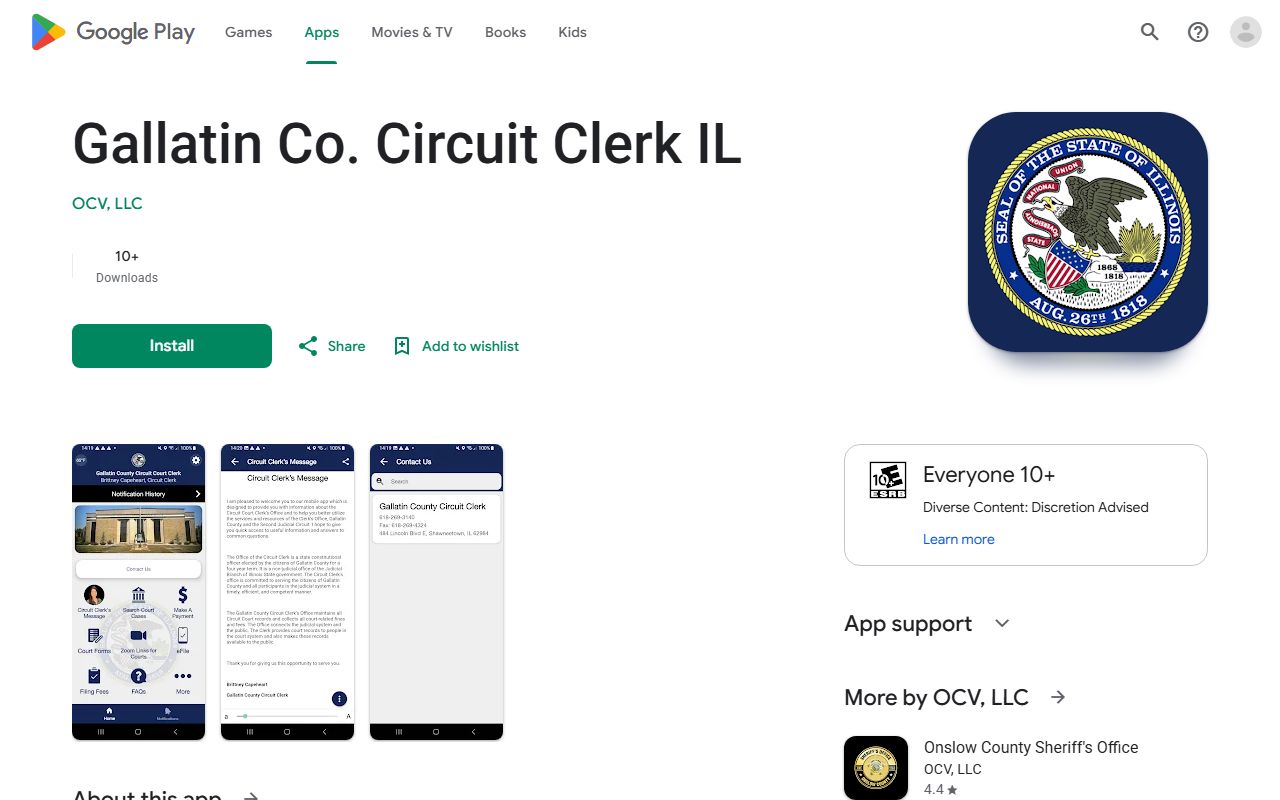
That distinction keeps the court-record path separate from jail custody checks at Saline County Detention Center and photo requests under Illinois FOIA.
Gallatin Arrest Charges Filed
After a Gallatin County arrest, the State's Attorney reviews reports and decides which charges to file in court. The formal filed charge may match the arrest charge, but it can also be amended, reduced, expanded, or dismissed later. The charging paper is the document that starts or frames the court record. It may be a complaint, an information, an indictment, or an amended filing. The research does not support a promise that every document is visible online, so the court portal and clerk contact should be read together.
| Document | Who Usually Initiates It | What It Does |
|---|---|---|
| Complaint | Law enforcement or prosecutor | Sets out the alleged offense and can begin a criminal case after arrest. |
| Information | State's Attorney | Formal charging document used by the prosecutor in many Illinois criminal cases. |
| Indictment | Grand jury | Formal accusation returned through the grand-jury process, often in more serious cases. |
| Amended information | State's Attorney | Changes the filed charge list after review, plea talks, or court rulings. |
Gallatin County uses the Illinois term State's Attorney, not District Attorney. Douglas Dyhrkopp is the local prosecutor listed in the research, with the office at 484 North Lincoln Blvd. West, PO Box 815, Shawneetown, IL 62984, phone 618-269-3331. The prosecutor's role is to file and manage the criminal case for the State. The office cannot act as a defense lawyer or give private legal advice to defendants or family members.
Gallatin Court Charge Status
Charge status is the part of the court record that explains where each count stands. A jail record may show the arrest charge at intake, but the Gallatin County court records after arrest show whether a filed charge remains pending, was changed, was dismissed, or led to a conviction or other disposition. A person can be arrested and never convicted. A person can also be released from Saline custody while the Gallatin case stays open in court.
| Status | What It Means | Why It Matters |
|---|---|---|
| Pending | The charge has not reached final disposition. | Future hearings or release conditions may still apply. |
| Amended or reduced | The prosecutor or court record changed the original filed count. | The final charge may differ from the arrest label. |
| Dismissed | The charge was ended without a conviction on that count. | Dismissal may support later sealing or expungement review. |
| Nolle prosequi | The State chose not to pursue that charge. | It is not the same as a conviction. |
| Conviction | A guilty plea, verdict, or adjudication resolved the count against the defendant. | Sentencing may involve probation, jail credit, local jail, or IDOC prison. |
Release After Gallatin Arrest
Illinois changed its pretrial system. Since September 18, 2023, courts no longer use cash bail as a condition of pretrial release in new criminal cases. The current question after a Gallatin County jail arrest is whether the court releases the person with conditions or orders detention after the required court process. The legal authority is Illinois pretrial release law under 725 ILCS 5/110 et seq..
| Release Term | Plain Meaning |
|---|---|
| Pretrial release | Release while the case is pending, often with court-ordered conditions. |
| Detention hearing | A court hearing on whether the person may be held before trial under Illinois law. |
| Conditions | Rules such as appearance, no-contact, travel, treatment, weapon, or monitoring terms. |
| Hold or detainer | Another agency or court authority may block release even if the Gallatin case allows release. |
For physical custody, call Saline County Detention Center at 618-252-8661. For Gallatin case status, release terms, hearing dates, or copies, use the Circuit Clerk, Judici, or re:SearchIL. For detention petitions or prosecution questions, the State's Attorney is the listed prosecuting office, but legal advice must come from defense counsel or another qualified legal source.
Gallatin Warrants and Arrest Records
No official Gallatin County sheriff active-warrant search or most-wanted page was located in the research. A warrant can still be a key event in court records after a jail arrest. A bench warrant may be issued for failure to appear or violation of a court order. An arrest warrant may start the arrest process. A fugitive hold, parole warrant, federal warrant, or another county's warrant may keep a person in custody after the Gallatin court makes a release decision.
Practical warrant checks should be routed to the record holder. Gallatin County Sheriff's Office can answer local sheriff warrant questions at 618-269-3137. Gallatin County Circuit Clerk can answer court warrant and failure-to-appear questions tied to a Gallatin case number at 618-269-3140. Federal warrants and federal pretrial custody move through federal court and U.S. Marshals channels. Do not treat a private search result as authority to act on a warrant. Call law enforcement.
Charges vs Convictions
A charge is an accusation in the court record. A conviction is a final outcome after a plea, verdict, or other adjudication. This distinction is central for Gallatin County court records after arrest because a booking entry, a filed count, and a final disposition can each say something different. Illinois public records may show all three stages, but none should be read as the same event.
| Record Point | Charge | Conviction |
|---|---|---|
| Stage | Accusation after arrest or prosecutor filing. | Final finding or plea on a count. |
| Proof level | Based on probable cause and charging review. | Resolved under criminal proof and court process. |
| Can change? | Yes, charges may be amended, reduced, added, or dismissed. | Changes usually require appeal, post-judgment relief, or record-clearing law. |
| Custody effect | May affect release terms or detention review. | May affect sentence, probation, jail credit, or IDOC transfer. |
Sealed or Expunged Records
Illinois record-clearing rules come from the Criminal Identification Act. Sealing and expungement do not mean the same thing. Sealing restricts public access to an eligible record. Expungement is a stronger remedy that can remove or destroy eligible records or treat them as though they did not exist for many public purposes. Eligibility depends on the charge, outcome, timing, prior record, and the exact statute.
| Issue | Sealed | Expunged |
|---|---|---|
| Public visibility | Hidden from most public access. | Removed or treated as not existing for many public purposes. |
| Government access | Some law-enforcement or court access may remain. | Access is more limited and depends on law and order terms. |
| Common use | Eligible records that cannot be fully expunged may be sealed. | Dismissals, acquittals, and some eligible outcomes may qualify. |
| Where to start | Gallatin County Circuit Clerk and Illinois court forms. | Gallatin County Circuit Clerk and Illinois court forms. |
The re:SearchIL portal is a statewide route for electronic court records, but registration or login may be needed for document access.
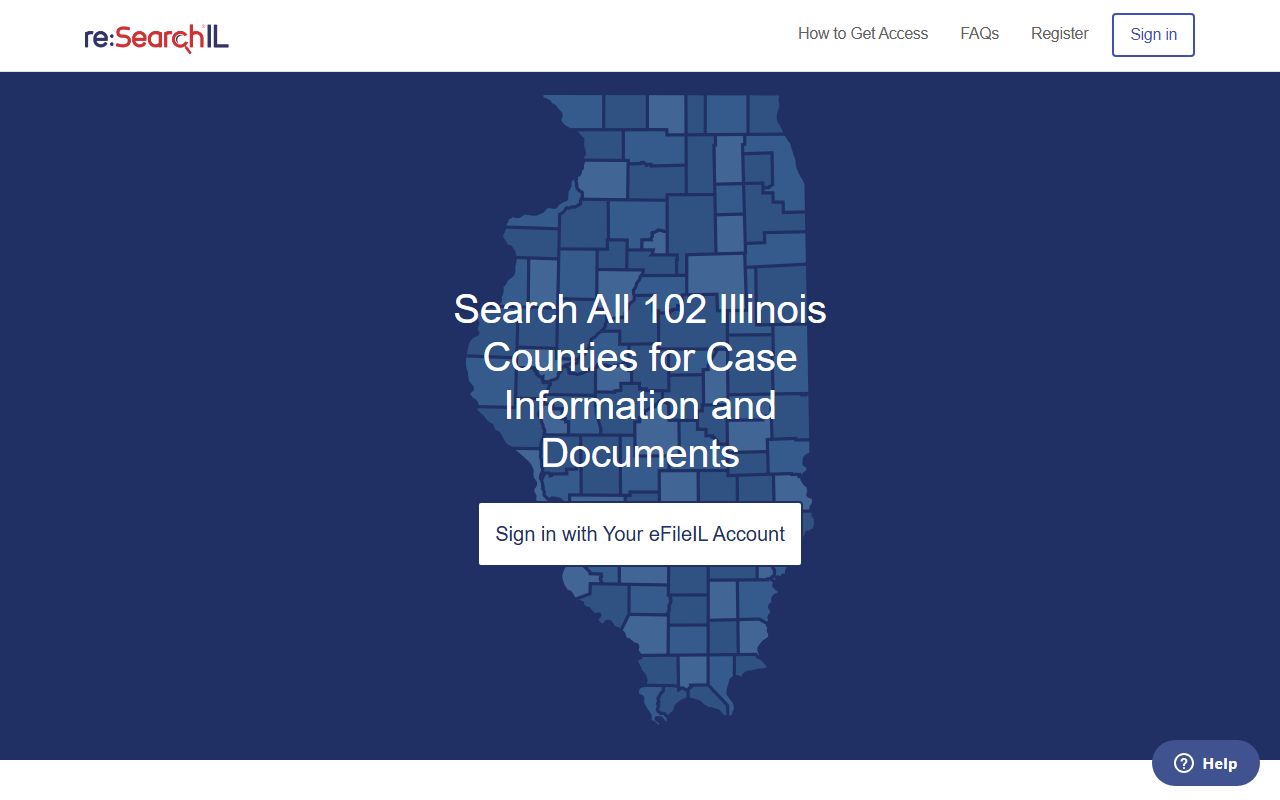
Restricted or sealed material may not appear in a public portal, so the absence of an online document is not proof that no court action exists.
Restricted Gallatin Court Records
Illinois FOIA and court access rules do not make every record public. Illinois FOIA supports written requests to public agencies, and 5 ILCS 140/2.15 addresses core arrest information, including photographs when and if available. But law-enforcement, safety, juvenile, medical, victim, correctional-security, sealed-record, and expungement limits can restrict release. A pending investigation can also affect what is disclosed.
Important: Court, arrest, and custody data can be incomplete or delayed, and it cannot be used for FCRA-covered screening purposes.
The Second Judicial Circuit Gallatin County page lists local court contacts for judge, clerk, prosecutor, public defender, and probation.
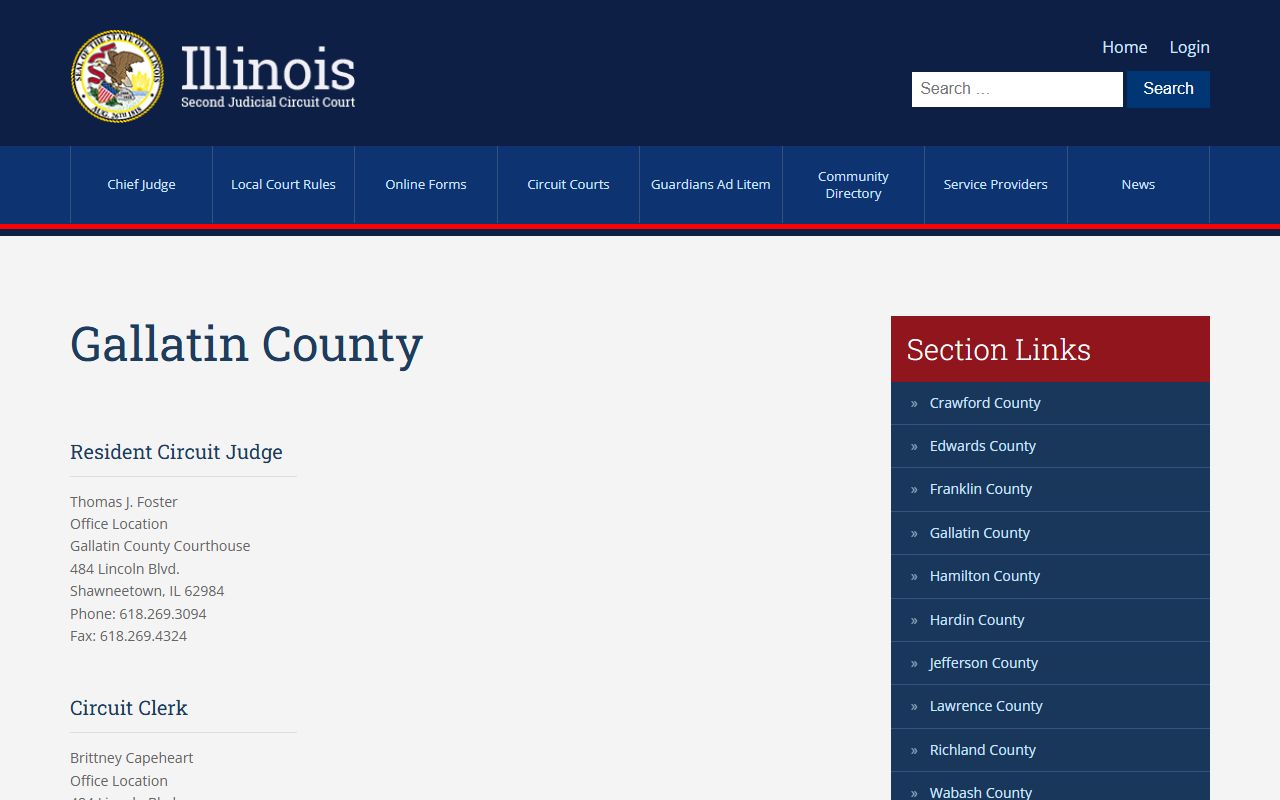
Those contacts help separate court questions from jail questions when a defendant has a Gallatin case but is housed at Saline County Detention Center.